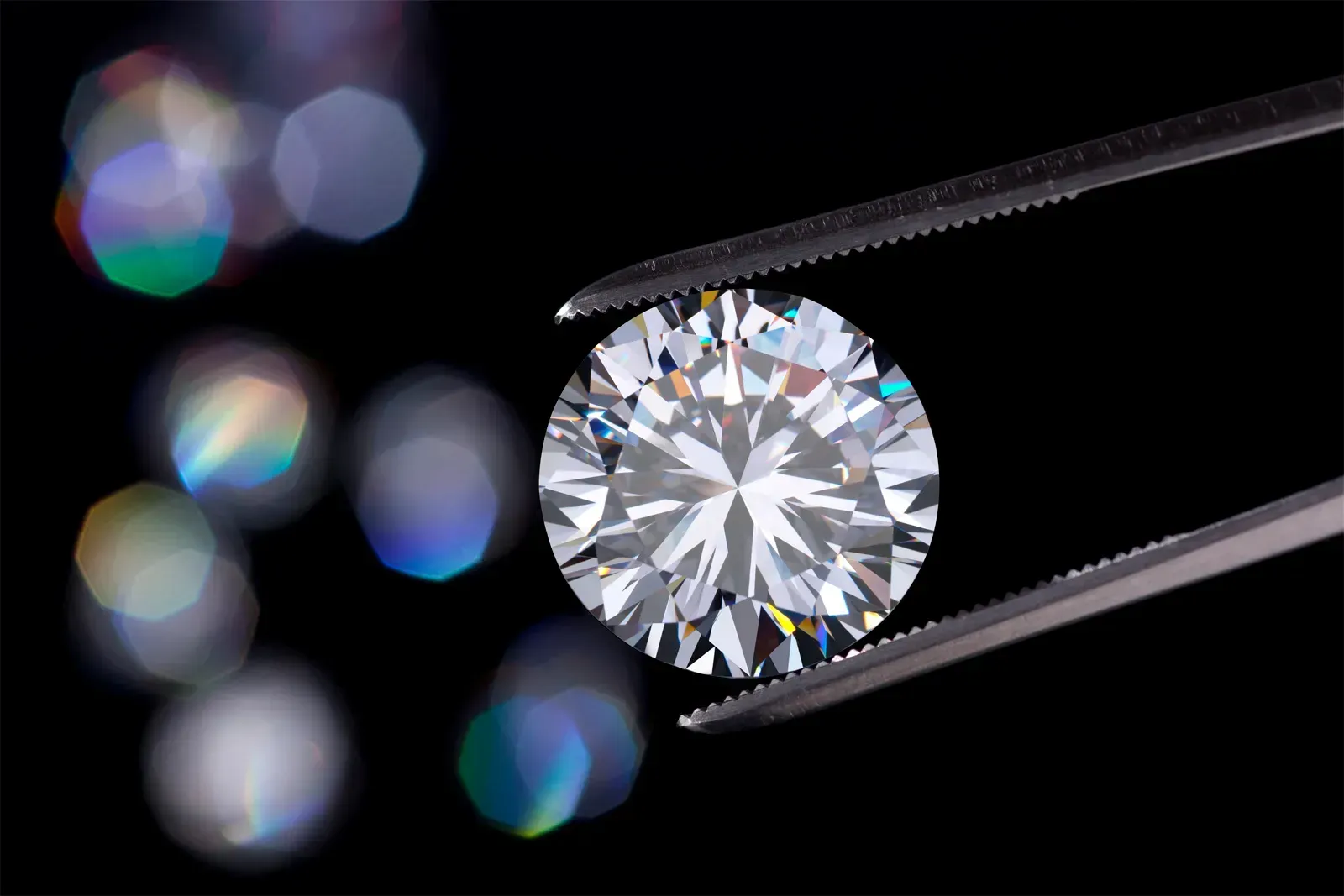
Real Diamonds – Reimagined. A key element of this new way of thinking is lab-grown diamonds. Many customers are hearing the term for the first time and ask: "Are these real diamonds?" The answer is a resounding yes. A lab-grown diamond is pure carbon with the same crystal structure as a natural diamond – chemically, physically, and optically identical. The only difference lies in its formation: While a natural diamond grows deep within the earth over millions of years, a lab-grown diamond is created within a few weeks in a controlled environment – under high pressure and high temperature, or layer by layer from a carbon gas. The result is the same brilliance, the same hardness, the same fire. Only the price is different. Lab-grown diamonds cost, on average, about 50 to 80% less than comparable natural stones. For the same budget, you get more brilliance, more size, or simply the freedom to afford a piece that was previously out of reach. We deliver the same value – we only negotiate on cost, not on quality.
Jewelry that still reflects you – not the price of gold.
The price of gold has skyrocketed. Their wages haven't.
Anyone who is standing in front of an offer for a ring or a piece of jewelry today and thinks: "That's quite a lot of money," is absolutely right.
The price of gold reached new records in 2025 – over US$4,000 per ounce – while incomes and purchasing power in Switzerland remained virtually unchanged. Gold is becoming more expensive, wages hardly at all. We all notice this, whether buying materials or purchasing a finished piece of jewelry.
Instead of simply accepting this, we ask ourselves a different question: How can we "negotiate" material costs without sacrificing quality?
The goal is clear: jewelry that remains affordable, is honestly crafted, and brings lasting joy.
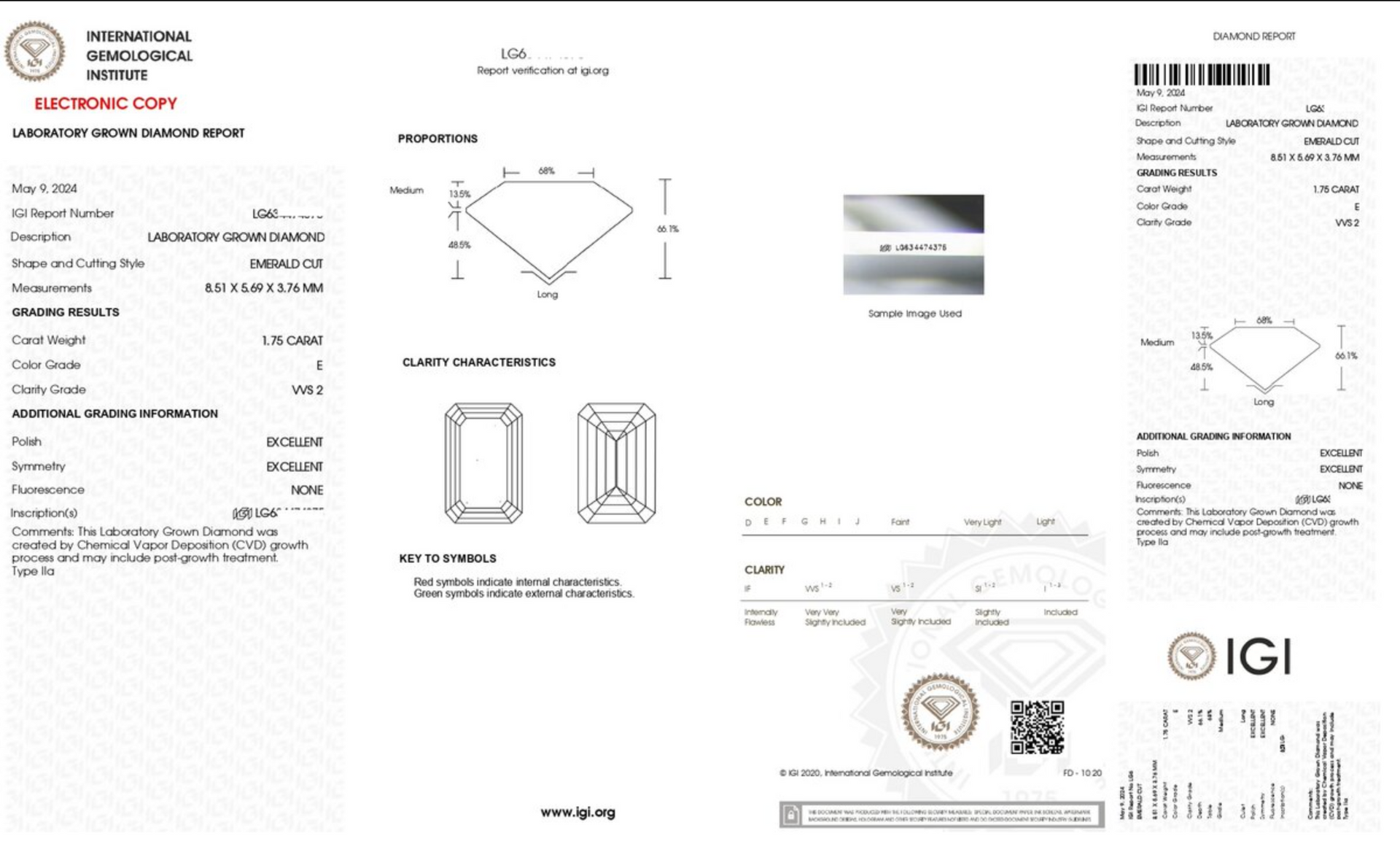
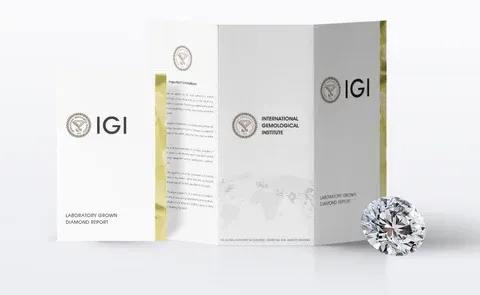
Lab-grown diamonds also come with an IGI certificate.
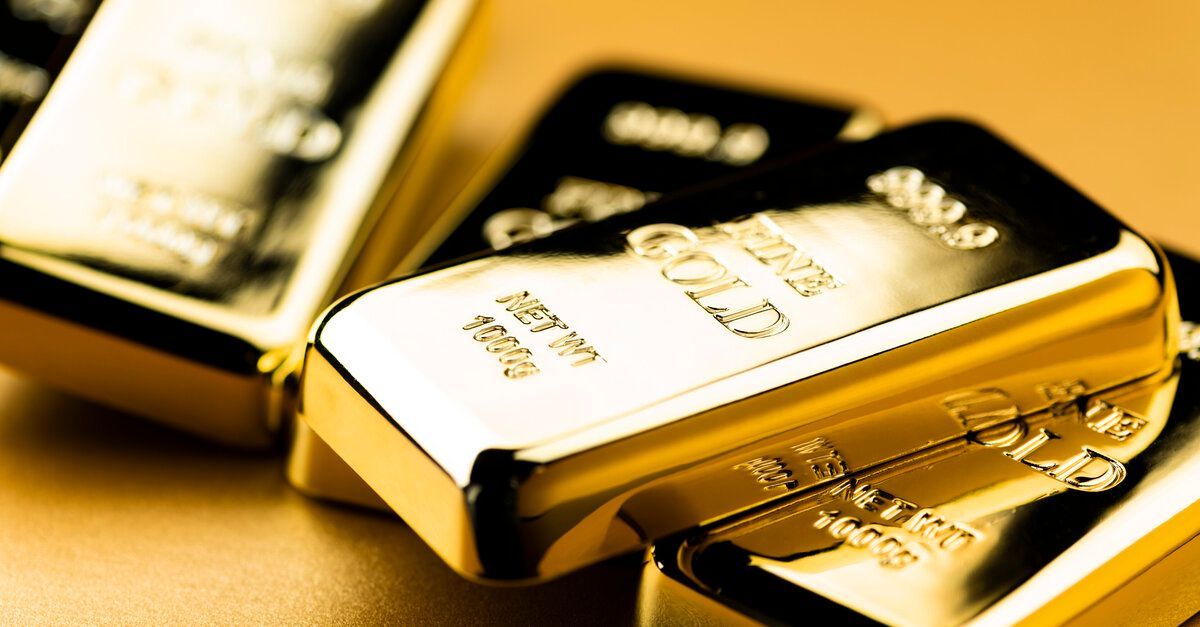
Gold remains gold – but we consciously choose gold jewelry. It's never made of 100% pure gold, but rather alloys. The most common are 750 (18 karat) with 75% pure gold and 585 (14 karat) with 58.5%. When the price of gold rises as sharply as it has this year, every percentage point of pure gold becomes noticeably more expensive. A 585 alloy contains about one-fifth less gold, but with proper craftsmanship, it looks virtually identical, is robust, durable, and standard in many countries. It's not about sacrificing quality, but about finding a smart balance. By slightly reducing the gold content, you can be more generous with the design, the stones, or the craftsmanship. The result is a high-quality piece of jewelry that remains realistic – even when raw material prices skyrocket.
The ideal alternative to gold: platinum and palladium
Do you love high-quality, handcrafted jewelry, but the high price of gold holds you back? Then it's worth taking a look at alternative precious metals that are stylish and economically attractive.
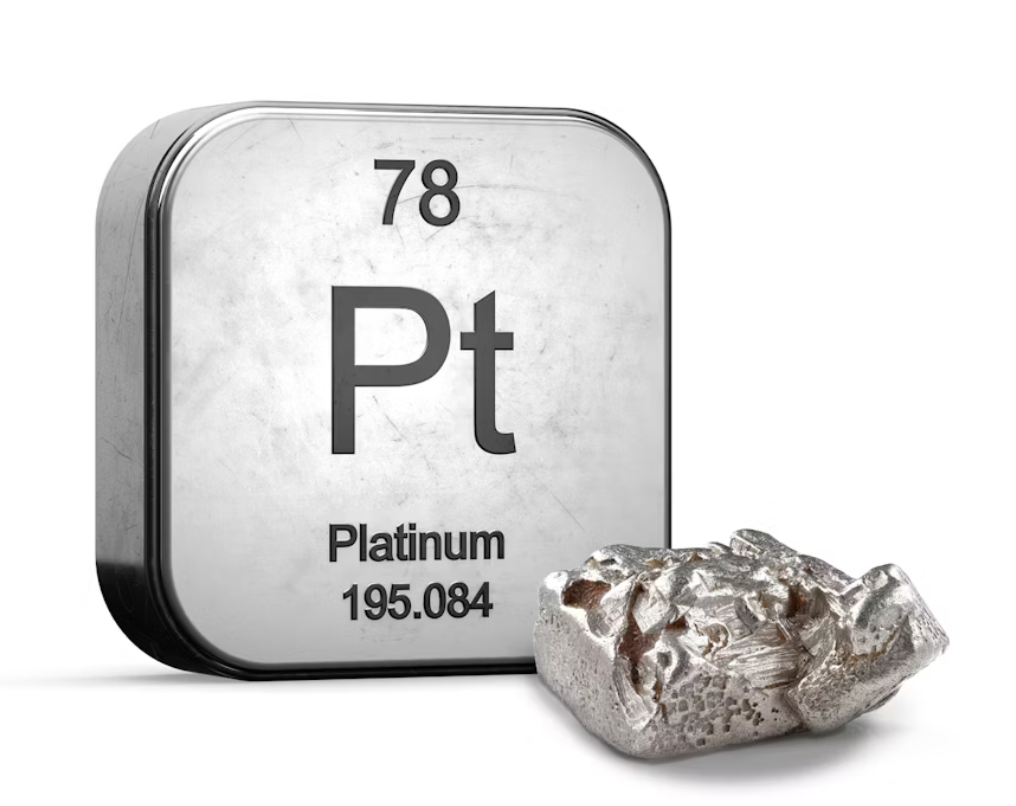
Platinum stands for exceptional durability and a refined, cool luster. It is hypoallergenic, hardly tarnishes, and is ideal for jewelry worn every day. Choosing platinum means investing in a precious metal that has substance and retains its character for a long time.
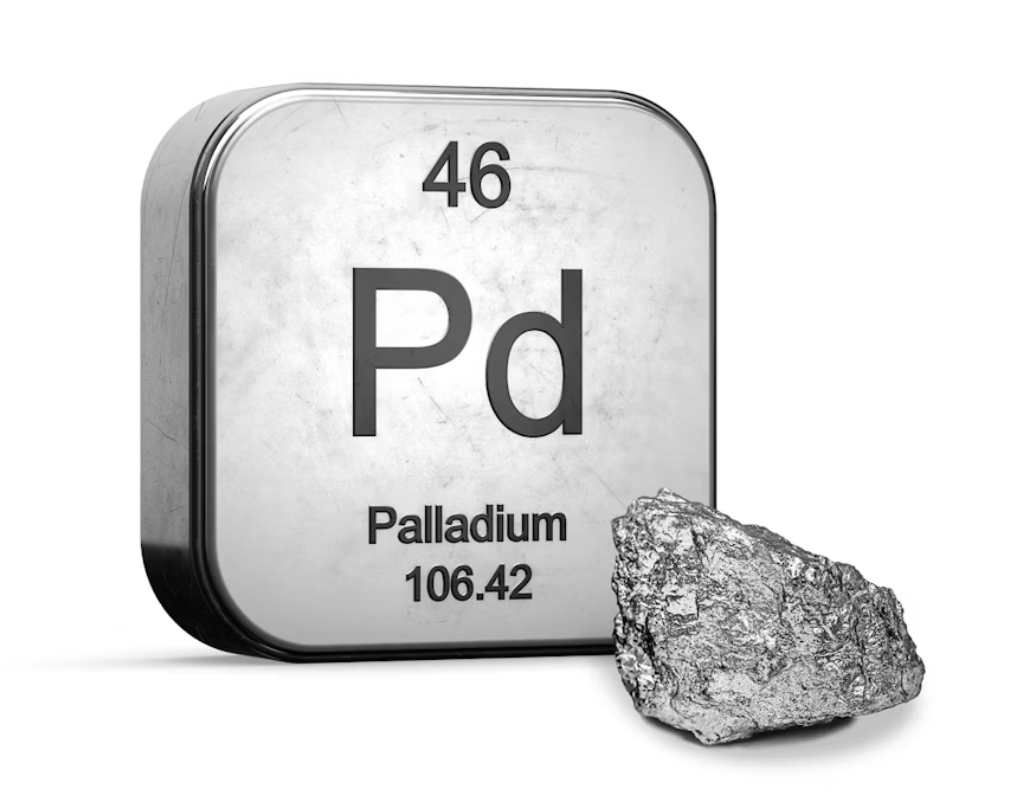
Palladium brings lightness and modern elegance to the table. It is also hypoallergenic and has a naturally brilliant white color that requires no additional plating. Its lighter weight and durability make palladium a contemporary alternative to white gold – ideal for those who want to wear high-quality jewelry without the weight.
Design with meaning – and lasting value
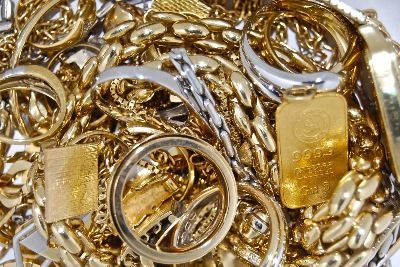
If you own scrap gold or old jewelry, its value can be directly factored in. What once sat in a jewelry box can now become part of a new favorite piece – sustainable, emotional, and economically sound. The high price of gold suddenly becomes an ally: your existing material is worth more today and reduces the cost of your new creation.
A conversation on equal terms
Our consultation is not about "selling" anything to you, but about finding a solution together that you are truly comfortable with – professionally, aesthetically and financially.
We speak openly about what's more important to you: maximum purity or the design you want to wear every day. Natural diamond or lab-grown diamond. Gold, platinum, or palladium.
These questions are not a trick, but a tool to find the path that works for you together. The end result is not a weak compromise, but the feeling: "That's exactly what I wanted – fair, honest, and personal."
Jewelry can be precious – but it must remain accessible. With conscious material selection, genuine alternatives, and honest advice, craftsmanship remains affordable even in times of high gold prices. Because the true value of a piece of jewelry lies not in the gram of pure gold or the certificate of the stone, but in what it means to you – and that's precisely where our work begins.